







Translational Research - Lab Services
Lost in Translation: Turning Multi-omic Chaos into Clinical Clarity
|
FDA Veteran Paz Vellanki, MD, joins Precision to become one of 3 ex-FDA oncology leaders supporting clients
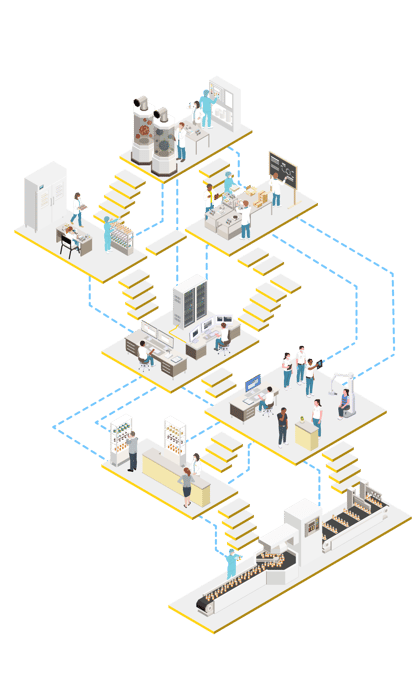
With expertise in today’s most advanced techniques for deeply interrogating samples and understanding patient biology at scale, Precision helps you tackle the most complex global development challenges. Our integrated approach ensures every specimen delivers meaningful insights for therapeutic, diagnostic, and CDx programs.
While AI and multi-omics technologies are increasingly accessible, their value depends on a coherent strategy. Without a coordinated multi-omic or AI strategy from the start, teams often encounter avoidable hurdles:
Multiple contracts and mismatched data structures that slow progress
Limited tissue which increases the risk of exhausting precious material
Difficulty comparing findings across platforms or sites
Decision fatigue and wasted financial resources on omics that don’t yield answers
Between the scientific question and a confident decision lies a critical gap, the translational chaos, where study plans drift, sample availability is limited, and biological signals risk being lost in translation. Unnecessary tests waste precious time, budget, and biological material. Irrelevant or poorly aligned data creates complexity that slows decisions and increases risk across your program. Precision for Medicine designs focused multi omic strategies that maximize what is finite, so you can accelerate what comes next.
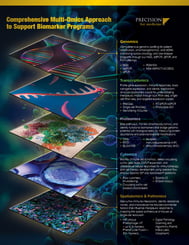
Interrogate genomic alterations to guide precision development decisions.
Apply genomic profiling to identify somatic and germline variants that inform target validation, patient stratification, resistance mechanisms, and companion diagnostic strategies—enabling confident decision‑making from early translational research through late‑phase clinical development.
Application
Whole genome and whole exome sequencing
Single cell genomics
Amplicon and capture-based enrichment for target characterization
Minimal residual disease (MRD) detection
Mutation detection, genotyping
Vector copy number analysis
Biodistribution and shedding (gene therapy)
Liquid biopsy via circulating tumor DNA (ctDNA)
Technologies
Capture stable regulatory biology to power robust immune monitoring and stratification.
Deploy bisulfite methylation sequencing to comprehensively measure the methylome and reveal epigenetic regulation underlying cell identity and disease state. Extend insight with Epiontis®, a novel immune monitoring platform using DNA methylation markers uniquely specific to immune cell types, enabling precise, reproducible quantification of immune composition across complex samples and longitudinal studies.
Application
Epigenetic enabled immune profiling
Methylation profiling
Technologies
Epiontis ID
Bisulfite sequencing
Quantify gene expression programs to demonstrate biological response.
Leverage transcriptomic analyses to measure pathway modulation, immune activation, and pharmacodynamic effects across tissues and blood—linking mechanism of action to clinical outcomes and accelerating proof‑of‑mechanism in early‑phase trials.
Application
Whole transcriptome sequencing
Gene expression profiling
Transgene expression analysis
T-cell receptor (TCR) and B-cell receptor (BCR) clonotyping
Single Cell Transcriptomics
Technologies
RNASeq
Single cell RNASeq
NanoString nCounter
RT-qPCR
RT-ddPCR
RNAScope-ISH
Measure functional protein biology to confirm target engagement and pathway impact.
Utilize proteomic approaches to quantify signaling proteins, cytokines, and biomarker networks that directly reflect drug activity—strengthening translational hypotheses and supporting biomarker‑driven endpoint strategies across development phases.
Application
Whole transcriptome sequencing
Gene expression profiling
Transgene expression analysis
T-cell receptor (TCR) and B-cell receptor (BCR) clonotyping
Single Cell Transcriptomics
Technologies
RNASeq
Single cell RNASeq
NanoString nCounter
RT-qPCR
RT-ddPCR
RNAScope-ISH
Define immune cell composition and function with clinical‑grade precision.
Apply flow cytometry and cell‑based immune monitoring assays to characterize immune populations, activation states, and functional responses—enabling clear assessment of pharmacodynamic effects, safety signals, and response biology in immunology‑driven programs.
Application
Immune phenotyping
Cell classification
Pharmacokinetics (PK)
Pharmacodynamics (PD)
MRD detection
Technologies
Flow cytometry (multiplexing)
Circulating tumor cell isolation (ApoStream)
ElSpot Assays
Preserve tissue context to explain response heterogeneity.
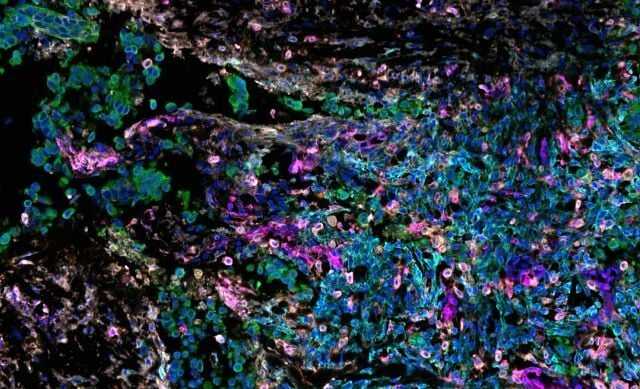
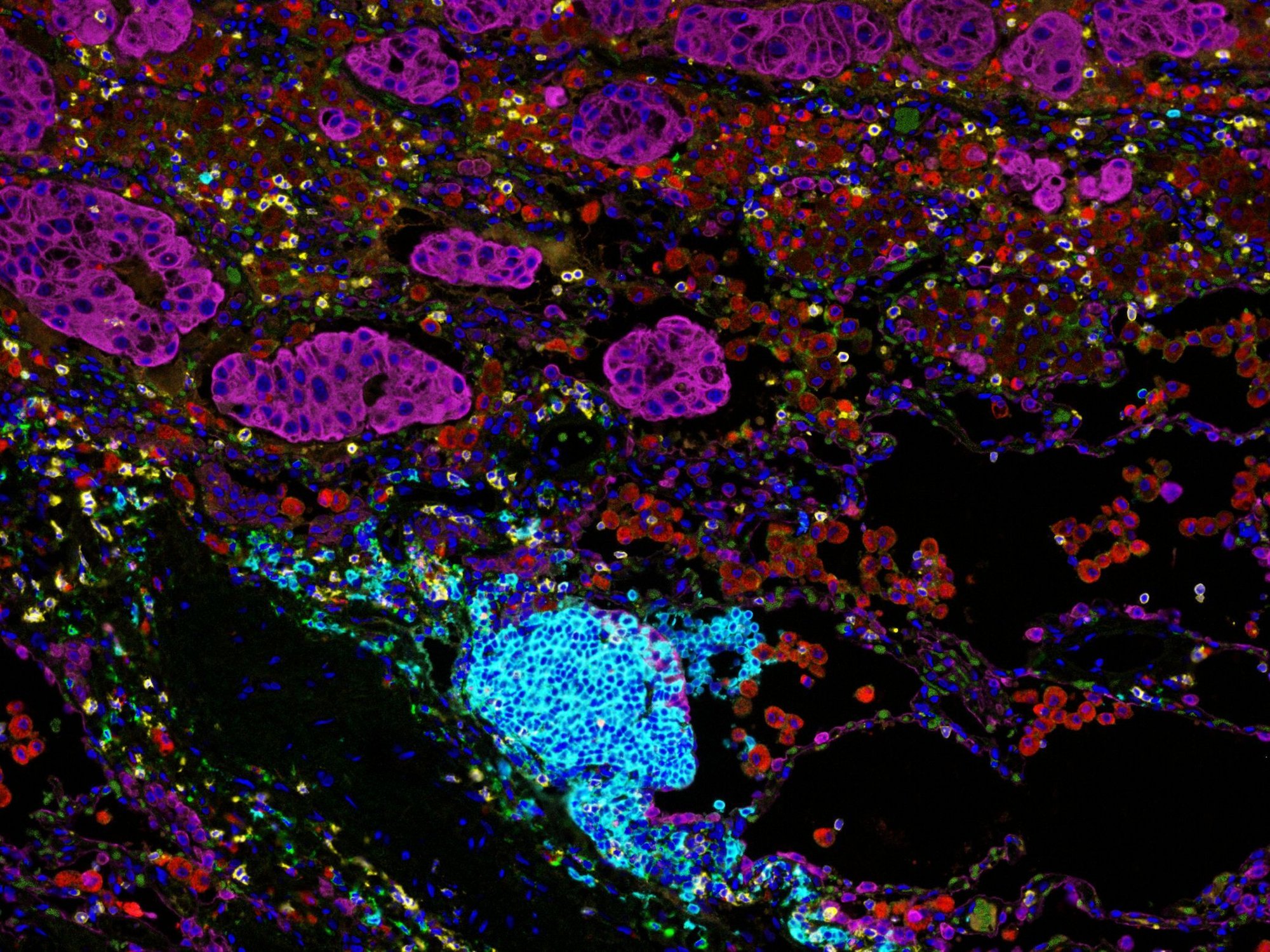
Integrate spatially resolved molecular profiling with histopathology to map gene and protein expression within intact tissue architecture—revealing cell‑cell interactions and microenvironmental drivers that inform indication selection and combination strategies.
Application
Spatially resolved cell classification by gene and protein expression
Spatial transcriptomics
Spatial proteomics
Technologies
mlF
Akoya Phenolmager HT (up to 8 markers)
PhenoCycler Fusion (60+ markers)
Indica Labs
Transform tissue pathology into quantitative, decision‑ready biomarkers.
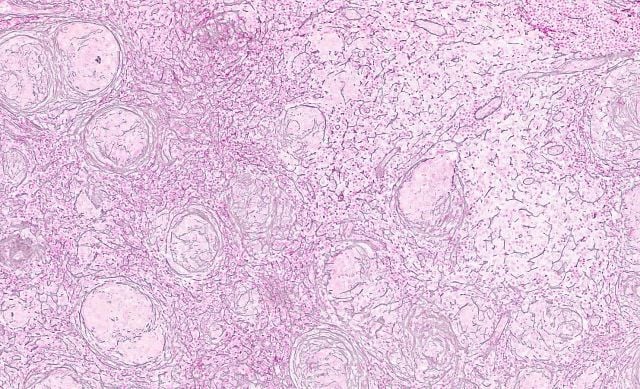
Apply advanced histopathology and digital pathology analytics to extract objective, scalable features from tissue architecture and biomarker staining—supporting deep biomarker profiling with quantitative measurements for tissue histopathology
Application
End-to-end digital pathology workflows
Quantitative Al-powered pathology
Pre-screening for validated downstream output
Real-time access to sponsor sample viewing and sharing
Technologies
Scanner suite
Tissue processing workflows
Al algorithms
PathAI-AISight
Streamline your multi‑omic strategy to reduce waste and complexity, so every assay, sample, and dollar delivers value.
Multi‑Omic Analysis, Only What Your Program Needs
Assay strategies designed around discovery, development, and validation goals. No overselling. No unnecessary testing.
Precious Samples from Curated Cohorts in Your Indication
Start confidently with pre‑characterized, ethically sourced biospecimens, ready to ship the same day.
Future‑Proof Alignment for Your Clinical Trial Protocol
Integrated lab and trial capabilities ensure assays perform in real‑world clinical settings, because they are designed with downstream execution in mind.
ApoStream® recovers viable circulating tumor cells from liquid biopsy, preserving morphology and enabling downstream multi-omic analysis when tissue is scarce.
Therapeutic Target Analysis in CTCs Isolated from NSCLC Patients Using ApoStream®
Read MoreExperiences, tips, and perspectives from experts on the front lines of research.
All Resources
Translational Research - Lab Services
Translational Research - Biospecimens
Translational Research - Biomarkers - Oncology