Clinical Trial Trends: Rare Autoimmune
|
FDA Veteran Paz Vellanki, MD, joins Precision to become one of 3 ex-FDA oncology leaders supporting clients
Recognized by Fierce Biotech for excellence in 2025 and 2026

![]() |
![]() |
Overcome rare disease development risk with integrated clinical, regulatory, and biomarker strategies designed for small populations, from natural history through regulatory submission.
Rare disease trials require a partner that can think quickly and creatively to solve unique problems. Across the spectrum of rare and orphan diseases, including ultra-rare indications, Precision for Medicine excels at providing rarefied solutions to solve the most complex of challenges.
Rare disease programs face constraints that generalist CROs are not built for, from small populations and limited natural history data to regulatory pathways requiring early, specialized engagement. Precision for Medicine integrates clinical operations with specialty laboratory and regulatory expertise to generate meaningful data earlier and advance programs efficiently end to end.
Early regulatory planning aligned to biomarker-driven patient identification, natural history design, and fit-for-purpose endpoints.
Orphan designation, fast track, and breakthrough considerations are built in early to support downstream approval paths.
Clinical development models purpose-built for small populations, including adaptive and single-arm designs, natural history integration, and basket strategies, as well as decentralized and hybrid approaches to reduce patient burden and expand geographic access.
Small-population biostatistics, real-world evidence integration, and translational biomarker planning support confident decision-making when large control groups are not feasible.
Specialized endpoint development and external control strategies for interpretable evidence under real-world constraints.
Rare disease trials are not scaled-down versions of common indications. At Precision, they are custom-built around the realities of limited patients, evolving natural history, and regulatory expectations that require earlier coordination and tighter execution.
Study Design
Trial Design for Small Populations
Trial designs tailored for rare and ultra-rare indications, including adaptive frameworks, single-arm studies, basket designs, and natural history integration.
Dedicated biostatistics and medical monitoring expertise support endpoint selection and analysis strategies appropriate for limited enrollment and heterogeneous populations.
Global Execution
Global Clinical Operations
Regulatory Strategy
Regulatory Strategy & Designations
Regulatory strategy integrated directly into clinical development planning for rare disease programs.
Precision teams ensure early engagement considerations, designation strategy, and submission planning are aligned with study design and data generation to support regulatory expectations without introducing avoidable delays.
Patient Engagement
Decentralized trial approaches
Patient-centric operational approaches designed to reduce participation burden for rare disease patients and caregivers.
Decentralized and hybrid trial elements are applied selectively to improve access, support retention, and maintain data quality across geographically dispersed populations.
Development strategies designed for ultra‑rare conditions where patient numbers are extremely limited and traditional trial designs are not feasible.
Biomarker-driven development for monogenic and complex genetic conditions, supporting accurate patient identification and endpoint selection in heterogeneous diseases.
Clinical development support for rare neurological and neuromuscular conditions with complex progression and challenging endpoint requirements.
Development expertise across rare metabolic disorders requiring precise biochemical endpoints and long-term safety monitoring.
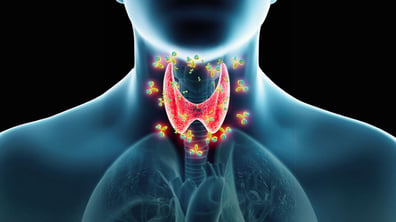
Development strategies for rare autoimmune and immune-mediated conditions with variable presentation and limited patient availability.
Rare disease programs require early alignment between study design, data generation, and regulatory expectations. Integrated regulatory expertise supports orphan and expedited pathways, helping sponsors align evidence strategy early and navigate rare disease regulatory complexity with confidence.
Precision is part of our team. They put in long days and hard work to help us create the final slide deck that allowed our study to move forward. We are so appreciative of how fast they worked.
We have been delighted with the experience level and work product from the entire project team – they feel like an extension of our internal team.
Our partnership with Precision is a true textbook definition of a great collaboration between a sponsor and a CRO.
Case Study - RARE DISEASE
Ultra-rare pediatric metabolic disorder registrational trial with global enrollment strategy and natural history data integration.

Case Study - RARE DISEASE
Severe combined immunodeficiency gene therapy trial with integrated companion diagnostic development and specialized safety monitoring.
Case Study - RARE DISEASE
RNAi trial in AATD overcame blinded data and COVID delays across 8 countries. Precision delivered two on-time interim analyses with phased updates.

What makes early-phase clinical development more complex in rare diseases?
Early-phase rare disease trials face small, geographically dispersed patient populations, limited natural history data, and higher protocol sensitivity. Decisions around endpoints, dosing, and patient selection must be right the first time, because opportunities to iterate are often limited.
These factors require specialized CRO capabilities built specifically for rare disease challenges.
How do you design a Phase I or first-in-human study when patient numbers are extremely small?
Study designs must maximize learning from every patient enrolled. Adaptive designs, strong translational rationale, and close alignment between clinical, biomarker, and safety data allow sponsors to extract meaningful insights even from very small cohorts.
How important is natural history data in early rare disease trials?
Natural history data often functions as a critical comparator in rare disease development. When placebo arms are not feasible, well-characterized natural history datasets can help contextualize outcomes, support endpoint selection, and inform regulatory discussions.
How do early regulatory interactions differ for rare disease programs?
Regulators expect early and proactive engagement for rare diseases, often with increased flexibility paired with higher scrutiny. Clear justification of endpoints, patient populations, and development strategy early on helps reduce downstream risk and supports accelerated pathways where appropriate.
How do biomarkers support decision-making in early rare disease development?
Biomarkers are often central to demonstrating biological activity in rare disease trials. Early integration of pharmacodynamic, target engagement, and exploratory biomarkers strengthens confidence in go or no-go decisions when traditional clinical endpoints may take longer to emerge.
How can early-phase planning improve the chances of accelerated approval or orphan designation?
Early-phase choices around endpoints, patient stratification, and data collection set the foundation for orphan, fast track, or accelerated approval strategies. Programs designed with regulatory end goals in mind are better positioned to move efficiently into pivotal development with fewer surprises.
Discover