Choosing the right radiopharmaceutical CRO can make or break your clinical trial. When every minute counts, you need a partner who knows the stakes.
Radiopharmaceutical clinical trials stand as some of the most complex studies in drug development today. These trials go beyond standard oncology studies, demanding strict adherence to specialized handling procedures, accommodating short half-life products, and requiring precise coordination across multiple stakeholders. For sponsors, this means your CRO selection isn't merely about finding a service provider, it's about securing a strategic partner who can navigate these challenges while ensuring speed, compliance, and site readiness.Through our experience managing radiopharmaceutical trials, we've learned that success requires a fundamentally different approach from traditional oncology studies. With some imaging agents having half-lives as short as 20 minutes, a single delayed delivery can compromise an entire day of patient procedures. Here's what sponsors should look for when evaluating potential partners.
Why Radiopharmaceutical Trials Demand a Specialized CRO Approach
While many CROs claim oncology expertise, radiopharmaceutical trials introduce complexities that require specialized capabilities:
- Logistics and Timing Sensitivity – Investigational products often have extremely short half-lives, requiring precise site coordination and administration.
- Regulatory and Compliance Requirements – Managing radioactive materials involves stringent regulations at international, national, and local levels.
- Multidisciplinary Expertise – Success depends on coordinating not just investigators but physicists, imaging specialists, nuclear medicine teams, and radiation safety officers.
- Patient Journey Coordination – From screening through dosimetry (the measurement of radiation dose delivered) to administration, each step must be timed and executed with precision to prevent protocol deviations.
These challenges require CROs to go beyond standard project management and develop specialized expertise in radiopharmaceutical operations.
The Reality of Radiopharmaceutical Trial Operations
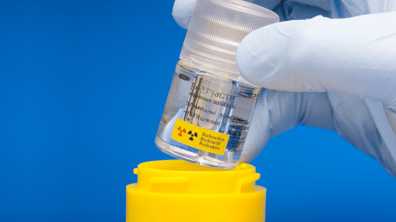
A typical morning at a radiopharmaceutical trial site is a tightly choreographed sequence where every minute matters. The day begins before sunrise as the radiopharmacy initiates synthesis, followed by rigorous quality testing and dose preparation. Once cleared, the investigational product is transported to the clinical site, where the first patient receives their dose and imaging procedures commence almost immediately. Within minutes, preparations for the next patient are already underway.
Disruptions, even a 30-minute delay, at the synthesis stage can cascade through the schedule, closing imaging windows, invalidating data for multiple patients, and driving costs up by thousands of dollars. This precision-driven process must be repeated daily with flawless execution and meticulous documentation at every step.
Key Considerations When Selecting a CRO for Your Radiopharmaceutical Trial
Early and Comprehensive Site Training
Traditional oncology trials typically initiate training at the Site Initiation Visit (SIV), the formal meeting where the sponsor and CRO review study protocols and operational requirements with the site team. This approach simply doesn't work for radiopharmaceutical studies, where the margin for error is measured in minutes rather than hours.
Look for CROs that begin training during feasibility discussions, allowing sites to understand the full scope of requirements before committing. Integrate training into feasibility questionnaires and begin comprehensive education at the Pre-Study Visit, well before official onboarding.
In our experience, this early training approach has helped reduce mid-study dropouts and protocol deviations. The best CROs also implement Train-the-Trainer models that enable site coordinators to independently onboard new staff as trials progress, preventing knowledge gaps that could compromise study integrity.
Logistics and Vendor Orchestration Expertise
A radiopharmaceutical study succeeds or fails based on its logistical execution. Consider the complexity where drug manufacturing must align precisely with patient visits, imaging equipment availability, and multiple department schedules, all while accounting for products that may decay within hours.
Evaluate whether your CRO takes active control of vendor synchronization rather than leaving sites to manage these relationships independently. The most effective partners work directly with sites to optimize scheduling, integrate workflows between IP vendors, imaging vendors, and dosimetrists. They also implement strategies that minimize product wastage.
This level of orchestration demands deep expertise in radiopharmaceutical manufacturing, imaging protocols, and the realities of nuclear medicine workflows, not just standard project management skills.
Regulatory and Compliance Management
The regulatory landscape for radiopharmaceutical trials spans multiple domains: radiation safety, nuclear medicine protocols, international shipping constraints, and Good Manufacturing Practice requirements specifically for radioactive materials. Each layer introduces potential delays that can derail study timelines.
Look for CROs with established connections to global regulatory bodies who can anticipate and resolve compliance issues before they affect study progress. At Precision for Medicine, we maintain these regulatory relationships and have developed standardized protocols for specialized handling, storage monitoring, and disposal procedures that streamline compliance while maintaining safety standards.
Your CRO should include team members with deep experience in radiopharmaceutical regulations who can navigate approval processes efficiently while ensuring all safety requirements are met.
Advanced Documentation Systems
Beyond regulatory approvals, radiopharmaceutical trials demand documentation that extends far beyond standard protocols. Teams must maintain detailed records tracking every aspect of the investigational product's journey, from transportation conditions and timing to storage parameters, radiation monitoring, and disposal procedures. The heightened level of scrutiny surrounding these materials requires sophisticated systems and expertise to ensure compliance while maintaining operational efficiency.
Evaluate whether your CRO has implemented systems specifically designed to capture and track time-sensitive data while maintaining radiation safety compliance records. This requires specialized templates and monitoring processes, not adaptations of standard clinical documentation.
Tailored Site Engagement Approach
Standard oncology training models assume that initial education will carry sites through study completion. Radiopharmaceutical trials demand ongoing engagement to maintain compliance and enthusiasm as procedures become routine.
Evaluate whether potential CROs implement adaptive training frameworks that evolve with the study. The most effective approaches combine live sessions with recorded modules for ongoing reference, vendor-led sessions with real-time Q&A, and regular check-ins that offer on-demand support.
This continuous engagement model prevents the knowledge drift that can occur in complex, long-duration studies.
Patient Education and Retention Strategies
Patient retention takes on unique importance in radiopharmaceutical trials. Participants must understand not just the study procedures but the timing-critical nature of their appointments and the specialized safety protocols involved. Many patients, particularly in indications beyond prostate cancer, may be unfamiliar with radiopharmaceuticals and associate “radioactivity” with harm rather than therapy.
Look for CROs that address these challenges and provide targeted educational resources in multiple languages, implement personalized appointment reminders to reduce no-shows, and actively engage with caregivers to improve scheduling and adherence. The goal isn't just informed consent—it's creating genuine understanding that supports successful participation throughout the study journey.

Making the Right Choice for Your Program
Radiopharmaceutical trials require specialized expertise, coordination, and engagement beyond what traditional oncology studies demand. The right CRO partner should demonstrate proven capabilities across all these areas, not just adapt standard approaches to specialized requirements.
When evaluating potential partners, consider whether they've built their capabilities specifically around radiopharmaceutical demands. Look for evidence of:
- Early, continuous training programs that build true site competency
- Expert management of complex logistics and vendor relationships through proven orchestration capabilities
- Proven regulatory expertise with successful approval histories
- Effective patient engagement strategies that drive retention
The difference between success and costly delays often comes down to choosing a CRO with proven experience in radiopharmaceutical complexity, not one that simply adapts standard approaches to specialized requirements.
As the field continues to evolve, with novel alpha-emitting therapeutics showing promise in resistant cancers and next-generation molecular imaging agents enabling earlier diagnostics, the operational complexities will only increase. Success requires partners who understand both the current challenges and the emerging demands of this rapidly advancing field.
At Precision for Medicine, we've built our approach specifically around these specialized requirements, combining deep operational expertise with the regulatory knowledge and logistical capabilities that radiopharmaceutical trials demand.
Explore the ways Precision for Madicine can support and accelerate your next radiopharmaceutical clinical program.
-
Explore

Next-Gen Oncology CRO Services
Expedite your targeted oncology therapy with a CRO rooted in developing novel therapies and delivering commercial success.Next-Gen Oncology CRO Services
Expedite your targeted oncology therapy with a CRO rooted in developing novel therapies and delivering commercial success. -
Explore

Navigate Regulatory Affairs with Precision
Precision delivers deep strategic insight with operational excellence in regulatory affairs, guiding sponsors through clinical development, registration, and market access.Navigate Regulatory Affairs with Precision
Precision delivers deep strategic insight with operational excellence in regulatory affairs, guiding sponsors through clinical development, registration, and market access. -
Explore

Speak with an Expert
Contact our team to start your partnership with Precision.Speak with an Expert
Contact our team to start your partnership with Precision.