Skip to content
Precision for Medicine
GettyImages-481073822-Doctor_Patient-RET

Early Phase CRO

2025 Fierce Biotech CRO Award Winner 

CRO Winner Badge@2x-1

Reduce early development risk with integrated translational, clinical, and regulatory strategies designed to inform first‑in‑human decisions and support confident progression into Phase 2.

115
Early phase studies in the last 5 years
56
Early Phase of all trials since 2020
62
First-in-Human of early phase since 2020

Purpose-Built for Early Phase Complexity

Early phase development is where programs are defined, risks are surfaced, and decisions compound quickly. Missed biomarker signals, misaligned dose escalation strategies, or regulatory missteps at this stage can delay development and require costly rework later.

Our approach is designed to keep early decisions defensible as programs advance.
Library details

01 Discovery Integration

Translational biomarker strategy from target validation through clinical proof-of-concept, connecting preclinical signals to FIH study design. 160+ biomarker-driven trials completed. 

clinical_trial_support

02 Clinical Execution

Specialized early phase operational teams with expertise in dose escalation, adaptive designs, and rapid site activation to support complex protocols and timely safety and data review. 

Precision Lab e-Portal

03 Regulatory Navigation

Regulatory strategy integrated into early development planning to align study design, endpoints, and data generation with regulatory expectations and reduce downstream rework. 

An Early Phase Model Built Around FIH Executional Excellence

At the core of Precision for Medicine's early phase clinical trials is a pioneering spirit and a steadfast commitment to Oncology and Rare Disease research. This dedication is the driving force behind our deep domain expertise, enabling us to tackle ambitious trial designs and complex challenges head-on.  


  • Clinical Trial Design

    Clinical Trial Design

    FIH & Phase 1 Trial Design

    First‑in‑human studies set the trajectory for an entire development program. With 62% of early phase trials conducted as FIH, our work focuses on dose selection, safety evaluation, and early signal interpretation where decisions matter most. 

  • Adaptive Trial Design

    Adaptive Trial Design

    Dose Optimization & Escalation Approaches

    Adaptive Phase 1-2 designs that eliminate protocol fragmentation and support progression from escalation into expansion. Biomarker‑driven expansion cohorts integrate translational endpoints to support early efficacy assessment without disrupting enrollment. 

  • Specialty Lab Integration

    Specialty Lab Integration

    Biomarker-driven clinical trials

    Integrated specialty laboratory capabilities across North America and Europe support biomarker and multi‑omic strategies aligned to early phase decision‑making. Laboratory planning is coordinated with clinical execution to ensure sample readiness and timely data interpretation.

Early Phase Expertise Across Complex Indications 

  • Explore
    Global CRO services
    clinical-trial-services

    Oncology CRO

    76% of our trials are in oncology. Early phase programs across solid tumors, hematologic malignancies, and immuno-oncology with 160+ biomarker-driven trials and proprietary immune profiling platforms. 
    Explore
    clinical-trial-services

    Oncology CRO

    76% of our trials are in oncology. Early phase programs across solid tumors, hematologic malignancies, and immuno-oncology with 160+ biomarker-driven trials and proprietary immune profiling platforms. 
    Explore
  • Explore
    Central and specialty lab services
    specialty-lab-services

    Rare Disease CRO

    67% of our trials involve rare diseases. We specialize in small population trial design, orphan drug and fast track designation support, and access to academic centers with rare disease patient populations. 
    Explore
    specialty-lab-services

    Rare Disease CRO

    67% of our trials involve rare diseases. We specialize in small population trial design, orphan drug and fast track designation support, and access to academic centers with rare disease patient populations. 
    Explore
  • Explore
    Regulatory consulting services
    protein_molecule

    Cell & Gene Therapy

    Biomarker-driven strategy for cell and gene therapy programs requiring specialized early phase design and regulatory navigation. 

    Explore
    protein_molecule

    Cell & Gene Therapy

    Biomarker-driven strategy for cell and gene therapy programs requiring specialized early phase design and regulatory navigation. 

    Explore
  • pediatrics
    patient_registration

    Pediatric Clinical Trials

    Pediatric trial design and execution with pediatric designation support and age-appropriate biomarker analyses tailored to the unique requirements of pediatric oncology and rare disease populations. 
    patient_registration

    Pediatric Clinical Trials

    Pediatric trial design and execution with pediatric designation support and age-appropriate biomarker analyses tailored to the unique requirements of pediatric oncology and rare disease populations. 
  • central-lab-services_card-thumbnail
    genomics_analysis

    ADC & Emerging Modality Trials

    Full-service ADC trial capabilities and emerging radiopharmaceutical program support, with integrated bioanalytical and biomarker services for complex early phase modalities. 

    genomics_analysis

    ADC & Emerging Modality Trials

    Full-service ADC trial capabilities and emerging radiopharmaceutical program support, with integrated bioanalytical and biomarker services for complex early phase modalities. 

Expert Leadership in Early Phase Development

    • Nicholas Richardson
                 

      Nicholas Richardson, DO, MPH

      Vice President, Clinical Development

    • John McIntyre
                 

      John McIntyre, PhD

      Senior Director, Regulatory Strategy

    • Fred-Snikeris
                 

      Fred Snikeris

      Vice President, Biostatistics and Programming,

    • Robert Bauer Square
                 

      Robert Bauer

      Vice President, Operational Strategy,

    • IvanBarrera-1
                 

      Ivan Barrera

      Senior Medical Director

Early Phase Clinical Successes

  • Read Case Study

    Case Study - EARLY PHASE DEVELOPMENT

    Early Genotype Confirmation Rescued a Phase 1-2 SCID Trial

    A genotype-gated SCID rescue case study. Learn the pre-screen, caregiver, and telehealth tactics that kept timelines intact. 
    Read Case Study
  • Read Case Study

    Case Study - EARLY PHASE DEVELOPMENT

    Global Phase 1–2 ROS1 Inhibitor Case Study in NSCLC

    Discover how Precision for Medicine achieved zero data issues across 60+ global sites in a first-in-human Phase 1–2 ROS1 inhibitor trial for NSCLC—highlighting a model of operational excellence, rapid site activation, and seamless phase transition.


    Read Case Study
  • Read Case Study

    Case Study - EARLY PHASE DEVELOPMENT

    Swift Stabilization in Phase 1 Solid Tumor Rescue

    White-glove teamwork rescued a Phase 1 solid tumor trial—delivering on-time milestones and earning a second study award.


    Read Case Study

Frequently Asked Questions

How do you reduce risk in first‑in‑human and Phase 1 clinical trials?

Risk is reduced by aligning translational evidence, dose rationale, safety monitoring, and regulatory strategy before the protocol is finalized. Early integration across these disciplines helps anticipate inflection points, minimize protocol amendments, and avoid decisions that introduce downstream delays or regulatory friction as programs advance.

When should translational science and biomarkers be integrated into early phase development?

Translational science and biomarker planning should begin before first patient in. Early integration ensures endpoints are biologically meaningful, assays are fit‑for‑purpose, and samples are collected in ways that support early decision‑making. This alignment strengthens interpretation of safety, pharmacokinetics, and biological response during initial dose escalation.

How are early phase trials designed to support later‑stage development and regulatory confidence?

Early phase trials are designed with future phases in mind. That includes scalable operational models, statistically sound designs, and data packages aligned to regulatory expectations. Consistent endpoints, clear decision rationale, and high‑quality data standards allow Phase 1 and early Phase 2 insights to be leveraged confidently in later‑stage and registrational planning.

What makes early phase execution more complex in oncology and novel modalities?

Oncology and emerging modalities often involve narrow patient populations, biomarker‑defined cohorts, and complex safety considerations. Successful execution requires therapeutic expertise, experienced site networks, and operational models that support adaptive designs, real‑time data review, and careful dose escalation without compromising patient safety or data quality.

How do sponsors make confident decisions with limited early phase data?

Early phase data is often sparse and high‑impact. Integrated data review across clinical, biomarker, and statistical teams enables emerging signals to be evaluated in context. This approach supports timely dose adjustments, cohort expansion decisions, and informed go‑forward or stop decisions without overinterpreting immature results.

Can early phase programs be supported globally from the start?

Yes. Early phase programs increasingly benefit from global planning at initiation. With established operations across North America, Europe, LATAM, and APAC, trials can be launched where patients, expertise, and regulatory pathways align best. Early geographic flexibility helps avoid later rework and supports smoother expansion as development progresses.

Early Phase Development Resources 

All Resources
  • eBook

    Phase 1 Oncology Clinical Trial Designs

    Download eBook
    Phase 1 Oncology Clinical Trial Designs
  • Brochure

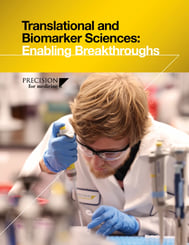
    Translational and Biomarker Sciences: Enabling Breakthroughs

    Download Brochure
    Translational and Biomarker Sciences: Enabling Breakthroughs
  • eBook

    Dose Optimization: A Strategic Lever in Oncology Drug Development

    Download eBook
    Dose Optimization: A Strategic Lever in Oncology Drug Development
Nicholas Richardson
Nicholas Richardson, DO, MPH

Vice President, Clinical Development

An expert in hematology and oncology and a veteran of the FDA with almost nine years of experience, culminating as a Deputy Director for the Division of Hematologic Malignancies 2. Possesses a profound understanding of regulatory strategy, particularly in the development of CAR-T cell therapies, bispecifics and T-cell engagers. Spearheaded initiatives to develop novel endpoints in blood cancer such as minimal residual disease (MRD) in lymphoma and chronic lymphocytic leukemia (CLL.)

   
John McIntyre
John McIntyre, PhD

Senior Director, Regulatory Strategy

John is an experienced regulatory affairs consultant with more than 15 years of professional experience in drug development. He brings a proven track record in providing regulatory strategy, regulatory document development and review, and liaising with regulatory authorities.

   
Fred-Snikeris
Fred Snikeris

Vice President, Biostatistics and Programming,

Fred Snikeris, PhD is an established biometrics executive with extensive Pharmaceutical R&D and CRO experience. He has built self-sustaining global multi-site biostatistics departments in support of late phase and early phase clinical development and preclinical research efforts.

   
Robert Bauer Square
Robert Bauer

Vice President, Operational Strategy,

Robert Bauer is an Executive Director of Operational Strategy at Precision with over 20 years of clinical trial operations experience from both the sponsor and CRO perspectives. He has led teams in the conduct of trials from Phase I through IV and has experience across a wide variety of trial designs. Bob has experience across many therapeutic areas some of which include rare diseases, oncology, depression, schizophrenia, and substance use disorders.

   
IvanBarrera-1
Ivan Barrera

Senior Medical Director

Ivan Barrera, MD is a fellowship-trained expert in Research GI Oncology with over 15 years of clinical research experience across various healthcare systems and facilities. He is a methodical and strategic key player in interdisciplinary drug development teams, specializing in medical monitoring. Dr. Barrera has extensive experience in solid tumors, particularly Gastrointestinal Oncology, including Neuroendocrine Tumors, and has worked on FIH and Phase I-IV studies. His industry clinical development experience spans small molecules, antibodies, vaccines, cytokines, oncolytic viruses, radiopharmaceuticals, and cellular therapies.